
The Beauty of a Mitzvah

The Beauty of a Mitzvah
One of the beautiful ideas in Yiddishkeit is hiddur mitzvah, the idea that when we perform a mitzvah, we should try to do it in the most beautiful and meaningful way possible. Chazal gets this idea from the words “Zeh Keili V’anveihu” - a call to beautify the mitzvos. To invest in them, to take pride in them, and to perform them in a way that demonstrates how much they mean to us.
There is perhaps no better time to experience this idea than Sukkos. Sukkos is Zman Simchaseinu, the time of our rejoicing. There is something naturally joyful about Sukkos. We spend time together, enjoy yomtov meals, invite guests, and experience the unique atmosphere of Yom Tov. And because Sukkos is a Yom Tov of such tremendous joy, it gives us so many opportunities to experience what hiddur mitzvah really means. Many people beleieve that hiddur mitzvah means to be stricter, more observant etc. But chazal tell sus that hiddur mitzvah is to beautify the mitzvah, find joy in and connect with it.
Take, for example, eating in the sukkah. Halachically, there are foods and drinks that do not necessarily have to be consumed in the sukkah. Yet our custom is to eat and drink everything im the Sukkah, even something as simple as having a drink of water. Why? Because when we love a mitzvah, we don’t look for the minimum opportunity to fulfill it. We look for more opportunities to be connected to it.
And there is an even more powerful expression of this on Sukkos: rain. According to Halacha, if it rains, we don’t have to remain in the sukkah. Yet there is something incredibly meaningful about the desire to remain connected to the sukkah and the mitzvah even when the weather isn’t cooperating. We love the mitzvah so much that we don’t want a little rain to take away from our experience of it.
That is a very different way of looking at hiddur mitzvah. It isn’t about thinking, “Oh my goodness, I’m being extra machmir. I’m being overly strict. I don’t have to do this, but I’m forcing myself to.” The attitude of Sukkos is exactly the opposite. We are happy to do the mitzvah. We enjoy the mitzvah. We love being in the sukkah. So naturally, we want to do it in the most beautiful way possible.
The same is true with the arba minim. I remember as a child how exciting it was when the lulavim and esrogim would arrive. My brothers and I would look through them and try to find the nicest esrog and the most beautiful lulav. We wanted to find the nicest ones we could. That is hiddur mitzvah. It is not simply about fulfilling the technical requirement. It is about showing that the mitzvah is precious to us. All of this expresses one simple message: This matters to me?
There is a fascinating story about the Baal Shem Tov that illustrates this idea from another perspective. The Baal Shem Tov once constructed a sukkah using every possible kula, every halachic leniency available in the construction of a sukkah. At first glance, this might seem like the opposite of hiddur mitzvah. Why would someone looking to beautify a mitzvah choose the leniencies? But there was a deeper reason. The Baal Shem Tov was using the sukkah as an expression of Ahavas Yisroel. He wanted to ensure that all the jews who NEEDED to rely on the leniencies would feel that threy were still doing the mitzvah properly if “even” the Baal Shem tov did it that way. The care and consideration that went into accommodating another Jew was itself a hiddur, the beautification of the mitzvah of loving another Jew. This teaches us something profound: Hiddur mitzvah is not necessarily about being more stringent. It is about caring more deeply. When we give someone a gift, there is a difference between handing over whatever happens to be available and taking the time to choose something beautiful and meaningful. The gift may technically accomplish the same thing, but the message is completely different. The same is true with mitzvos.
When we do only what we have to do, we fulfill an obligation. But when we go beyond the minimum, when we take the time to make the mitzvah beautiful, when we search for the nicest esrog, spend more time in the sukkah, or make an extra effort to enhance a mitzvah, we are expressing something much deeper: This is important to me. I care about this. I love this mitzvah. And perhaps that is one of the most beautiful messages of Sukkos.
Sukkos is Zman Simchaseinu. We are commanded to be joyful. And when we are genuinely happy about something, we don’t experience doing more of it as a burden. We want more of it. If someone loves music, they don’t think, “Why do I have to listen to another song?” If someone loves spending time with family, they don’t ask, “What’s the minimum amount of time I need to spend with them?”
Love changes the way we experience obligation. And that is what Sukkos can teach us about mitzvos. We don’t beautify the mitzvah because we are looking for ways to make life more difficult. We beautify it because we value it. Zeh Keili V’anveihu.
This is my God, and I will glorify Him.

The Journey Behind Gratitude
A young yeshivah student was about to embark on a trip and wrote to the Lubavitcher Rebbe for a blessing. In his reply, the Rebbe urged the young man to utilize the opportunity to accomplish something positive in every place he would stop during his trip.
The Rebbe used the Mishkan, the portable sanctuary that accompanied the people of Israel in the travels through the desert, as an example. At their every encampment, the people were instructed to set up the formidable structure, which consisted of hundreds of parts and required an army of more than 8,000 people to assemble, even if they were staying just a single night.
For a Jew, concluded the Rebbe, there's no such thing as merely "passing through" a place. Every moment in life has permanence, by virtue of the fact that Divine Providence has guided us to this particular point in time and space for a specific purpose.

Riddle 1:
What item is mentioned in this parsha four times - but nowhere else in the Torah?
Riddle 2:
In this parsha, which of the Ten Plagues are mentioned in the words of rebuke (tochacha)? (hint: 3 plagues)

Her Legacy Shines On
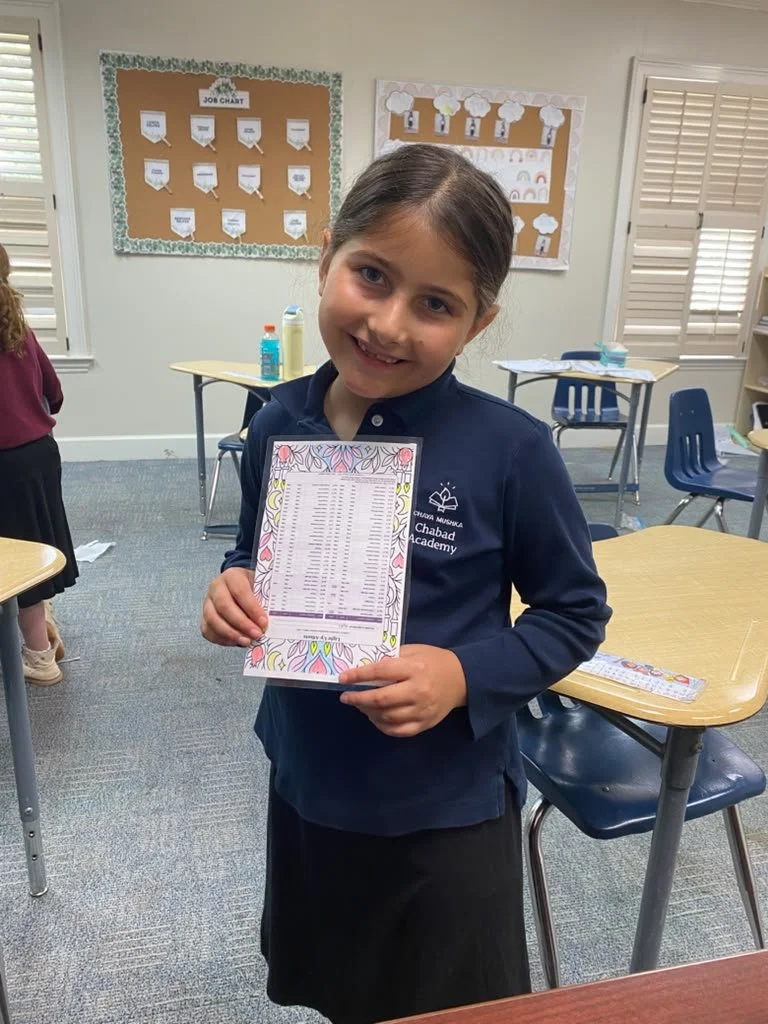
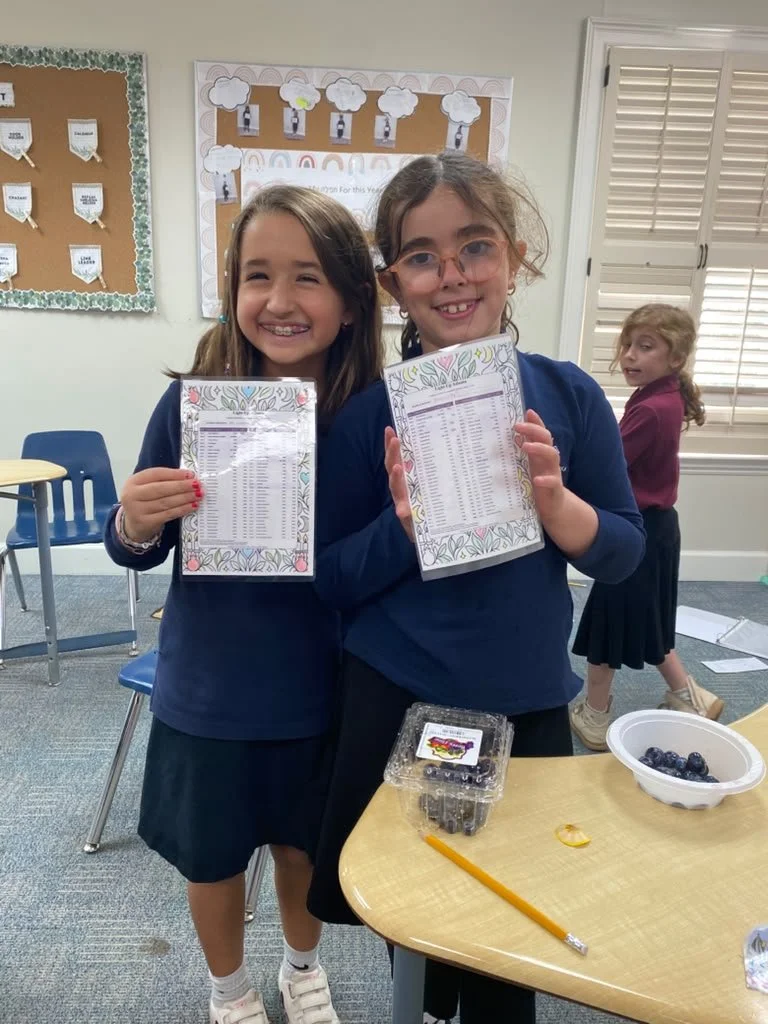
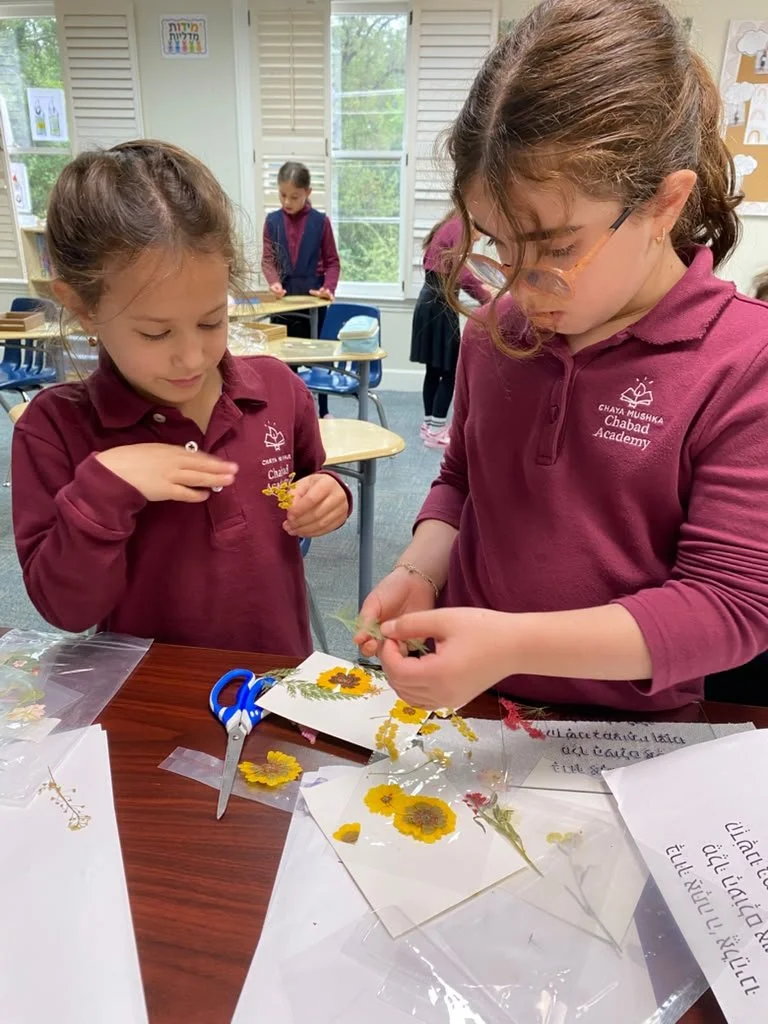
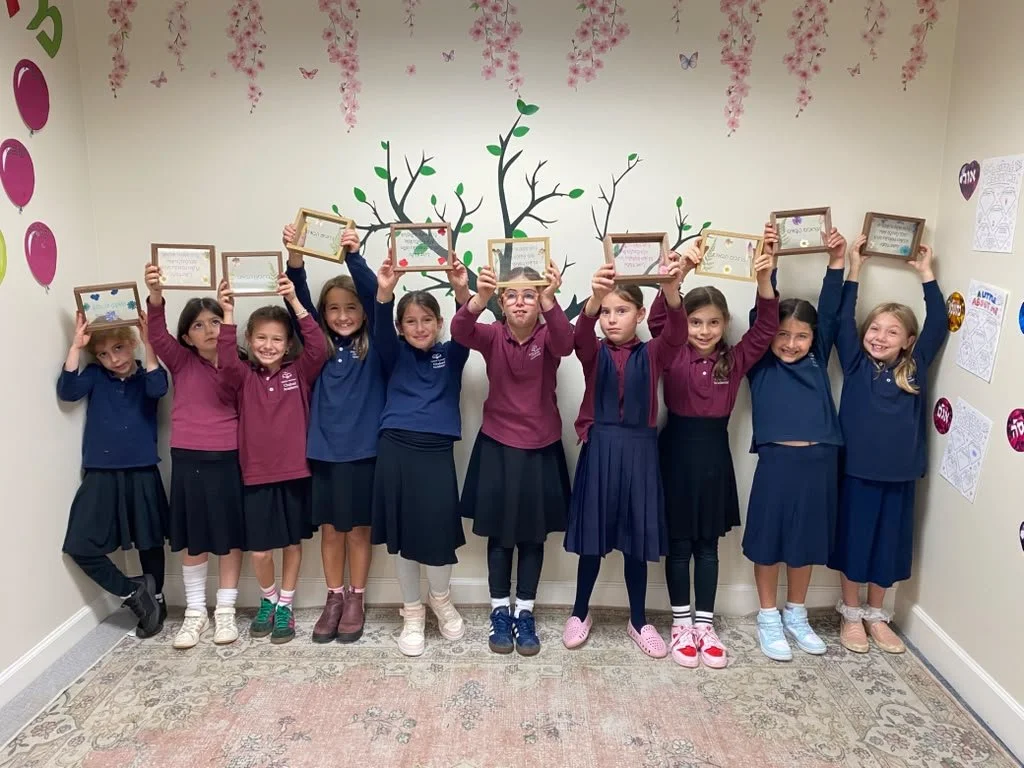
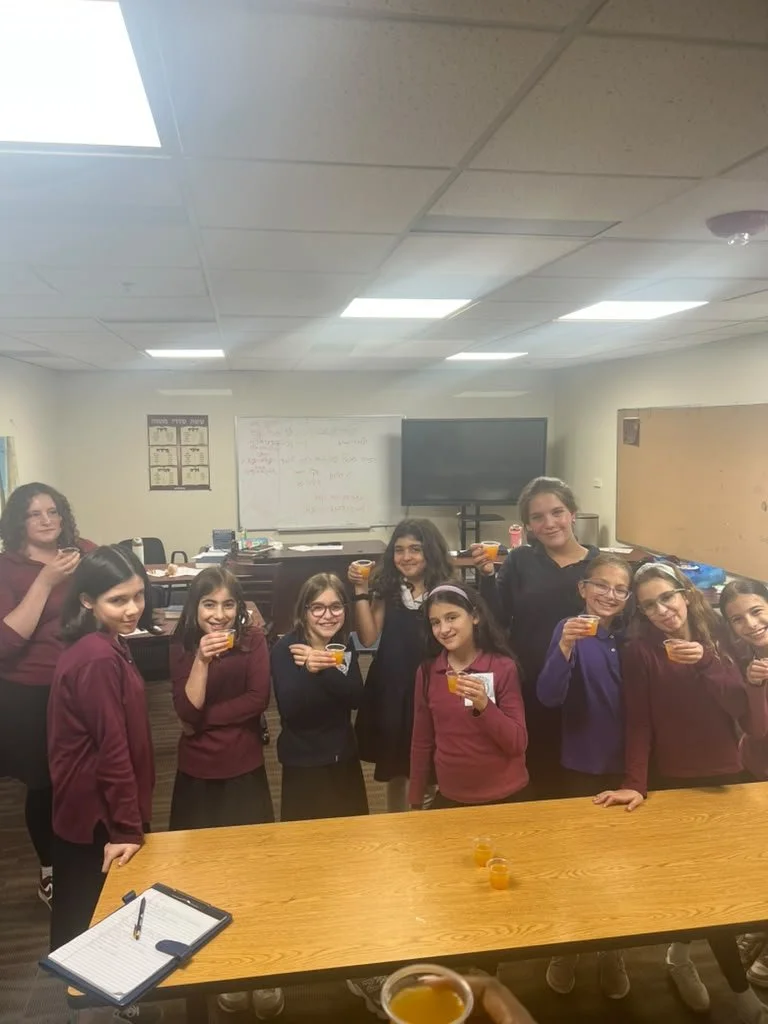
Second and third-grade girls commemorated Vov Tishrei, the yahrtzeit of Rebbetzin Chana, the mother of the Rebbe. They enjoyed berries as they learned about the special ink Rebbetzin Chana made from plants and berries for her husband, Rabbi Levi Yitzchak, so that he could continue writing his Torah teachings while in exile.
In her honor, the girls decorated beautiful magnets for their refrigerators with the candle-lighting times, a special reminder each week of the beautiful mitzvah of lighting Shabbos candles. It was a meaningful and creative way to learn about Rebbetzin Chana’s strength, devotion, and legacy.
Thank you to Mrs. Freida Jacobson and Mrs. Mussy Groner for making the day so special for the girls.
Flames Kick Off a New Season
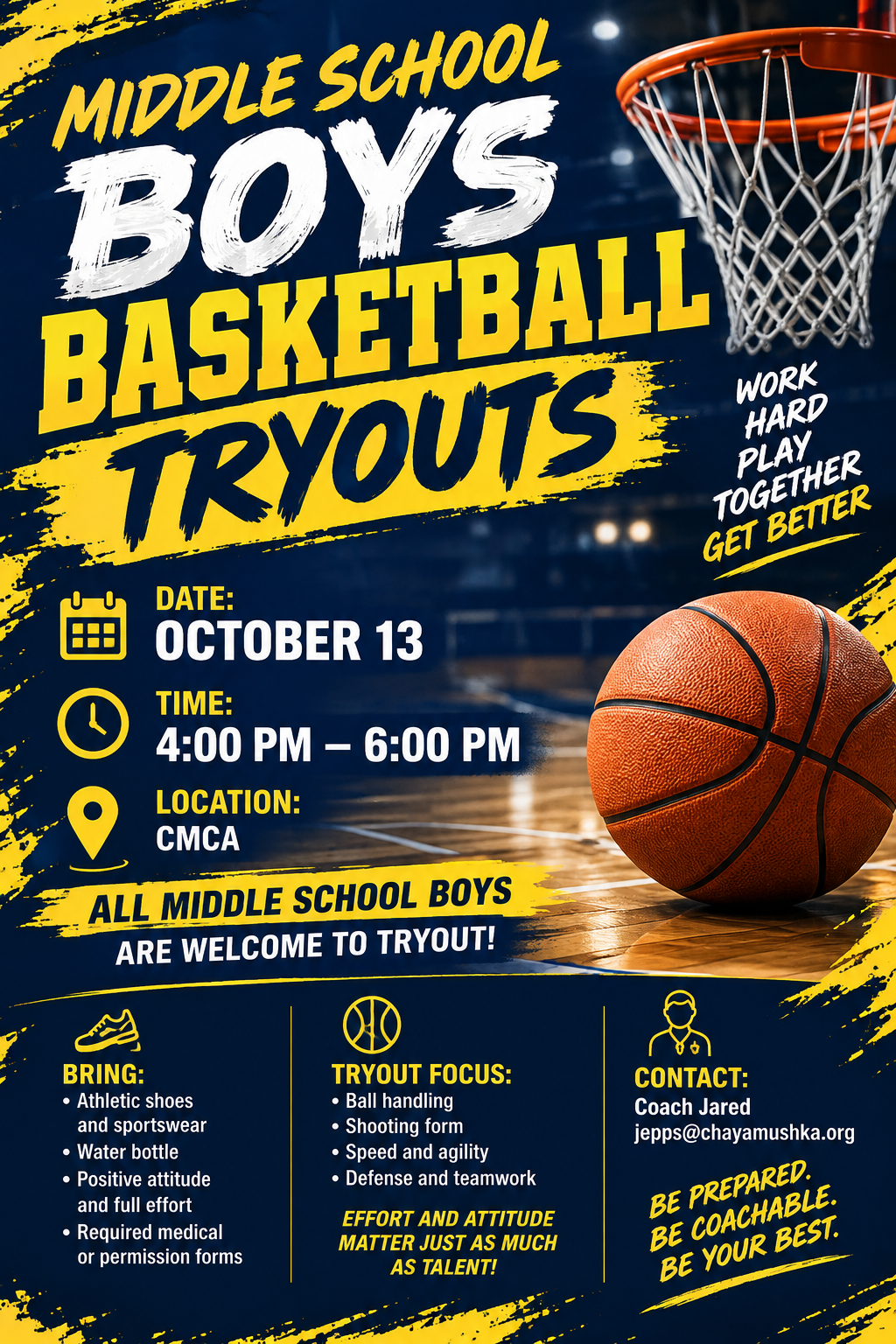
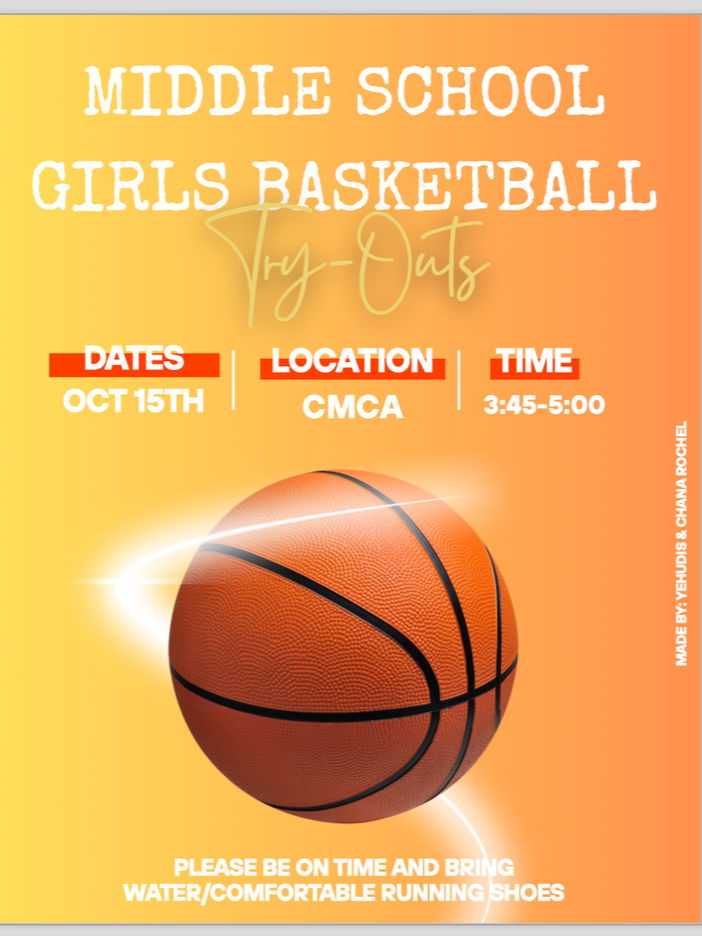
The Flames are kicking off a new basketball season!
Preseason workouts were a huge success, with students bringing great energy, effort, and enthusiasm to the court. Both the boys’ and girls’ coaches are excited about what they saw and are looking forward to exciting and successful seasons ahead.
Tryouts will take place after Sukkos break, with boys’ tryouts on October 13 and girls’ tryouts on October 15. We can’t wait to get the season underway.
Thank you Coach Yazzy and Coach Jared! Go Flames!
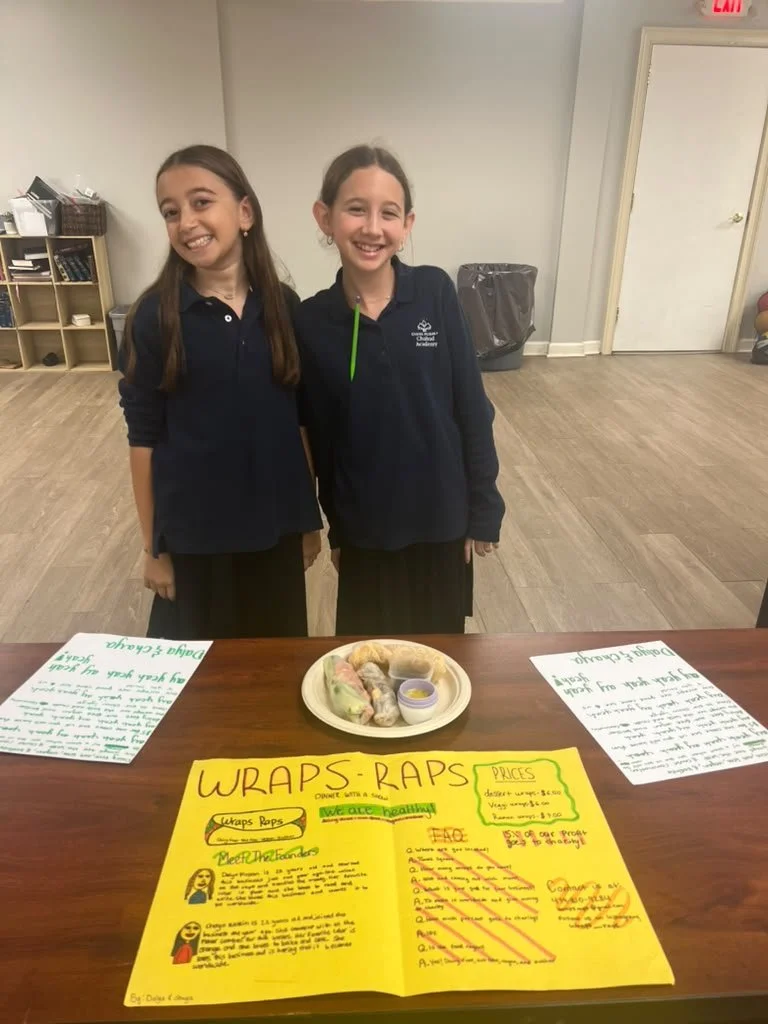
Young Entrepreneurs at Work
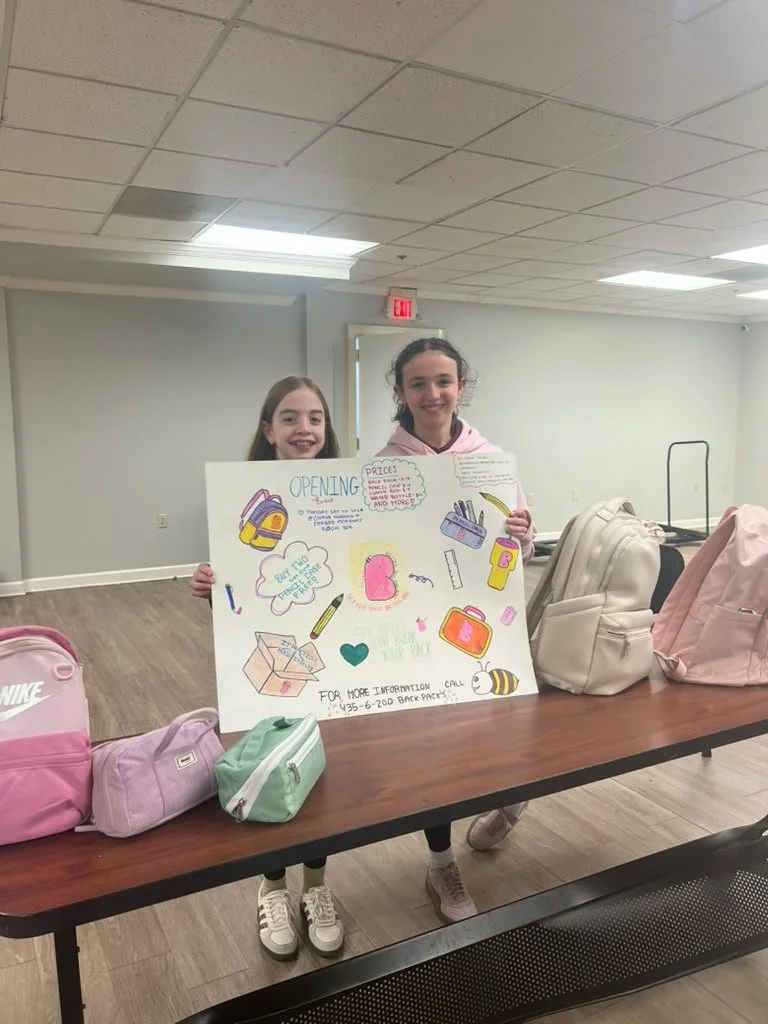
In the sixth-grade girls elective with Coach Yazzy, students have been diving into an exciting unit on entrepreneurship. The girls developed their own business ideas, learned key entrepreneurial terms, and explored what it takes to turn an idea into a real plan.
They thought through the steps from concept to execution, created presentations, and practiced what it means to pitch a business idea to potential investors. It was an engaging, hands-on experience that encouraged creativity, confidence, problem-solving, and big-picture thinking. We are so proud of the thoughtful and innovative ideas our young entrepreneurs brought to life!

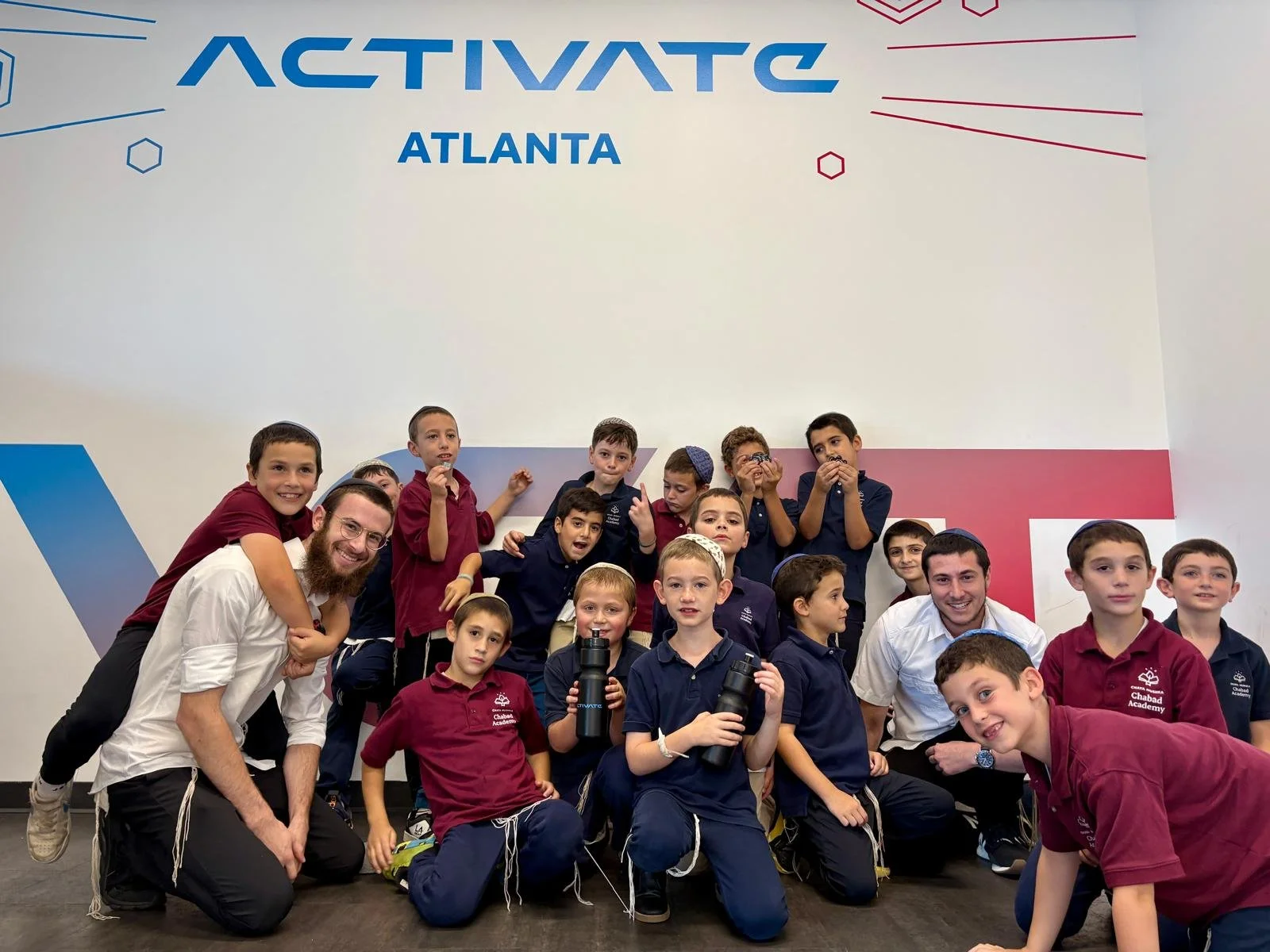
Hebrew Reading Skills: ACTIVATED
This summer, an exciting Summer Kriah Initiative was launched to keep students practicing and strengthening their reading skills throughout the summer. At the beginning of the summer, students received a Kriah packet to work through, with the exciting incentive that anyone who completed at least 80% would earn a special outing to Activate.
The growth and improvement we saw in the Kriah skills of the students who participated was extraordinary - especially during a time of year when reading skills can often decline without consistent practice. The initiative ended on a high note with a super-fun trip to Activate, celebrating the students’ hard work, perseverance, and progress.
Kol hakavod to all of our students who participated, and a huge thank you to Mrs. Lew for spearheading such a successful program!
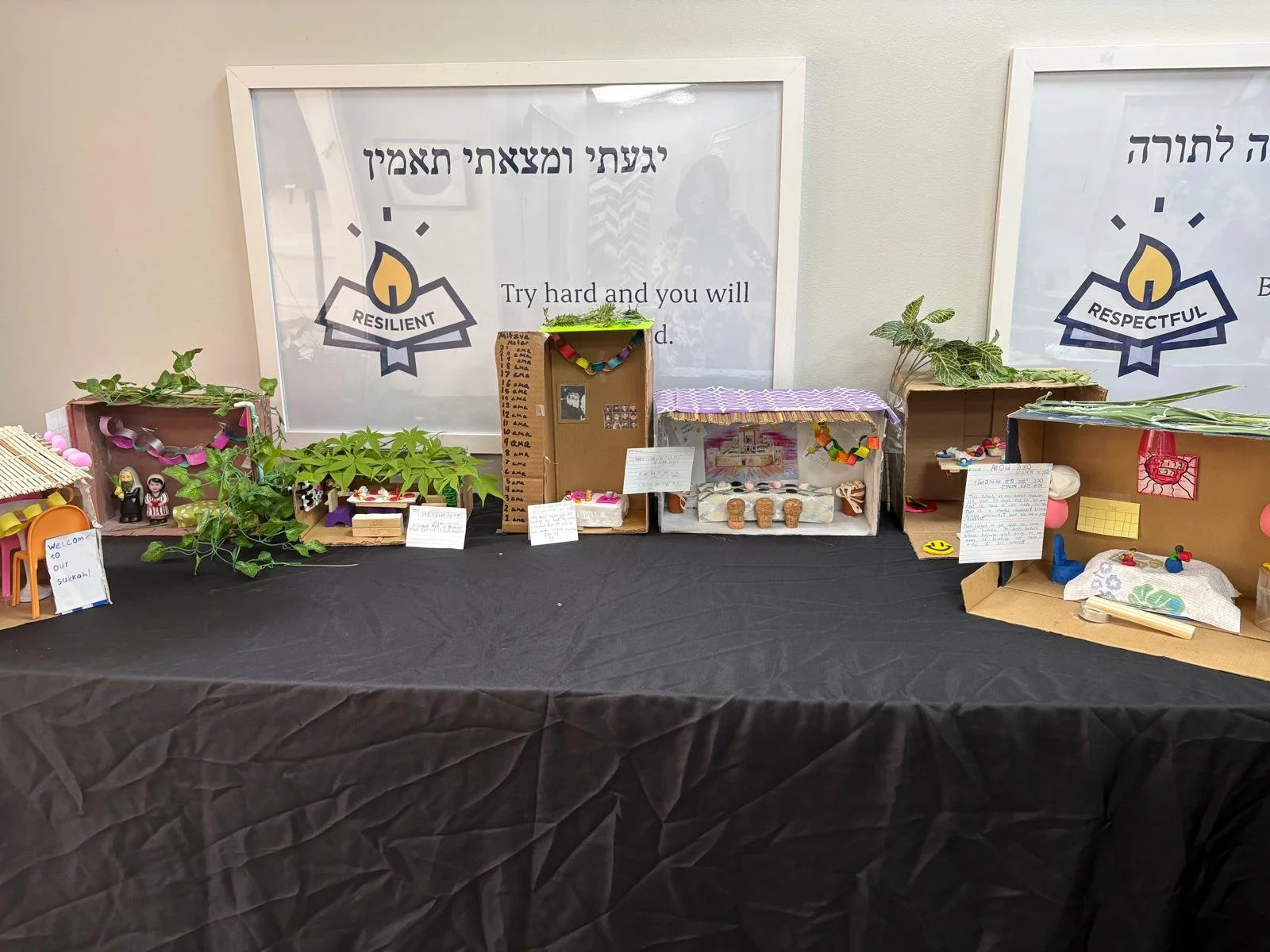
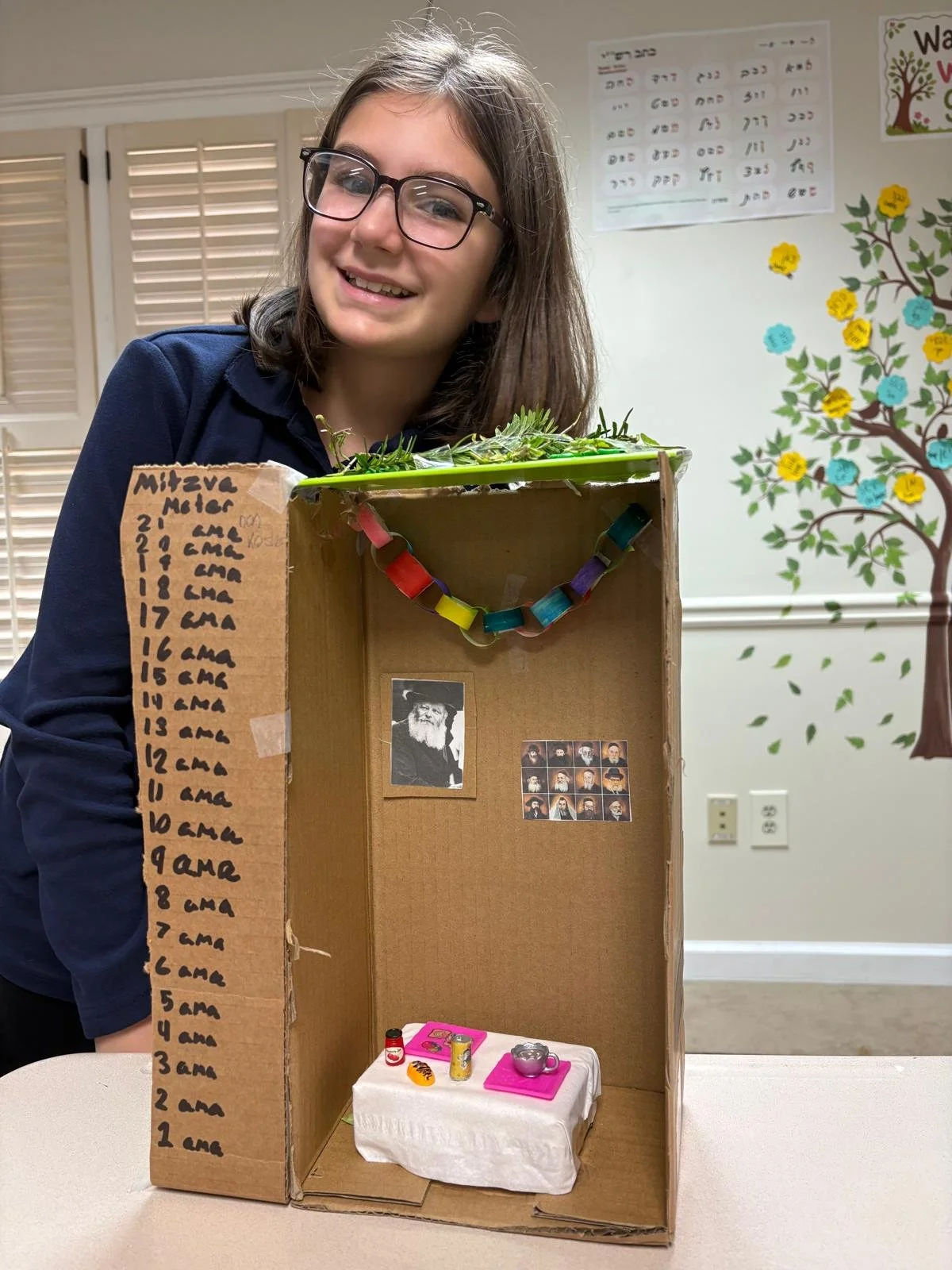
Is Your Sukkah Kosher?
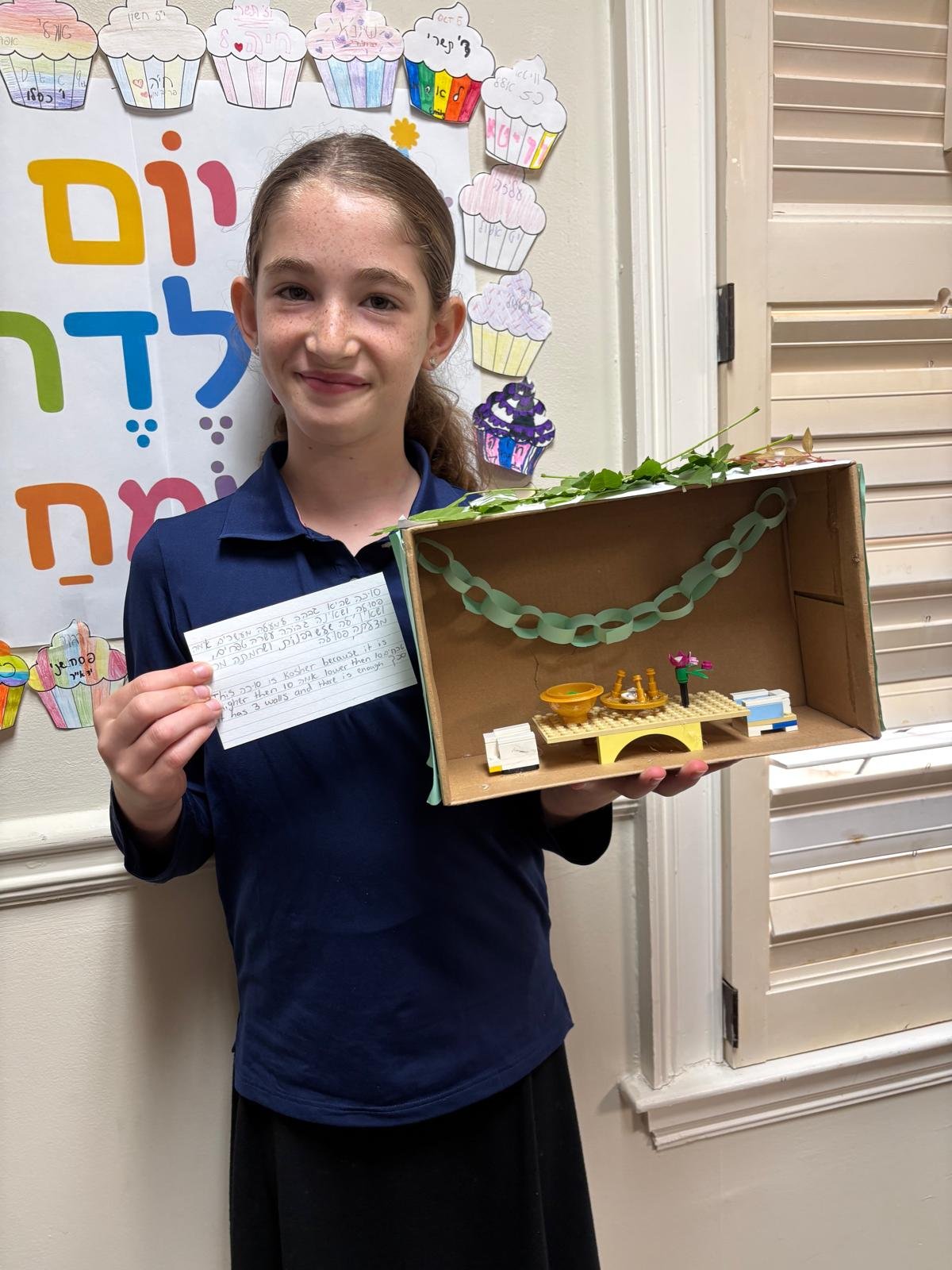
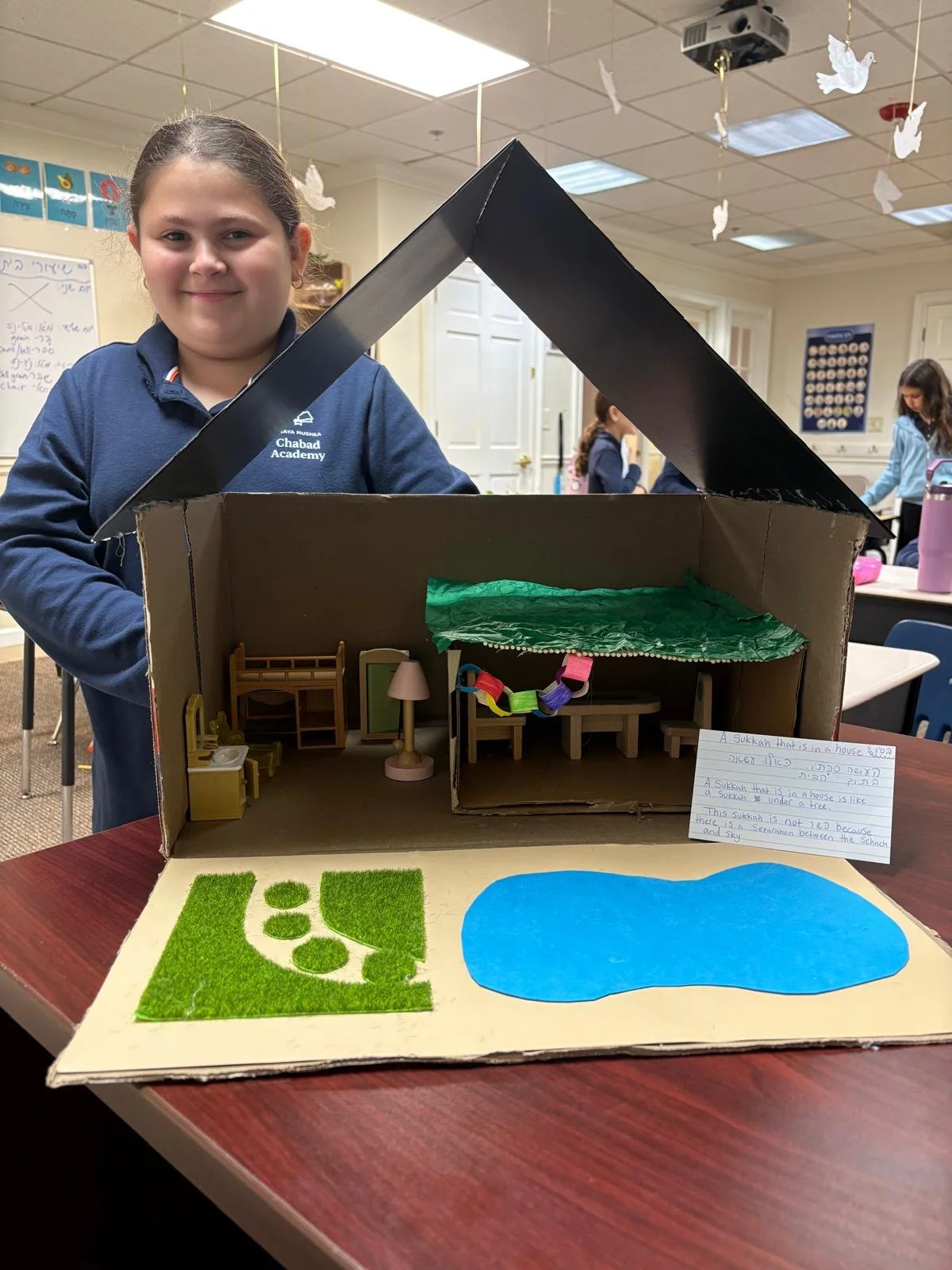
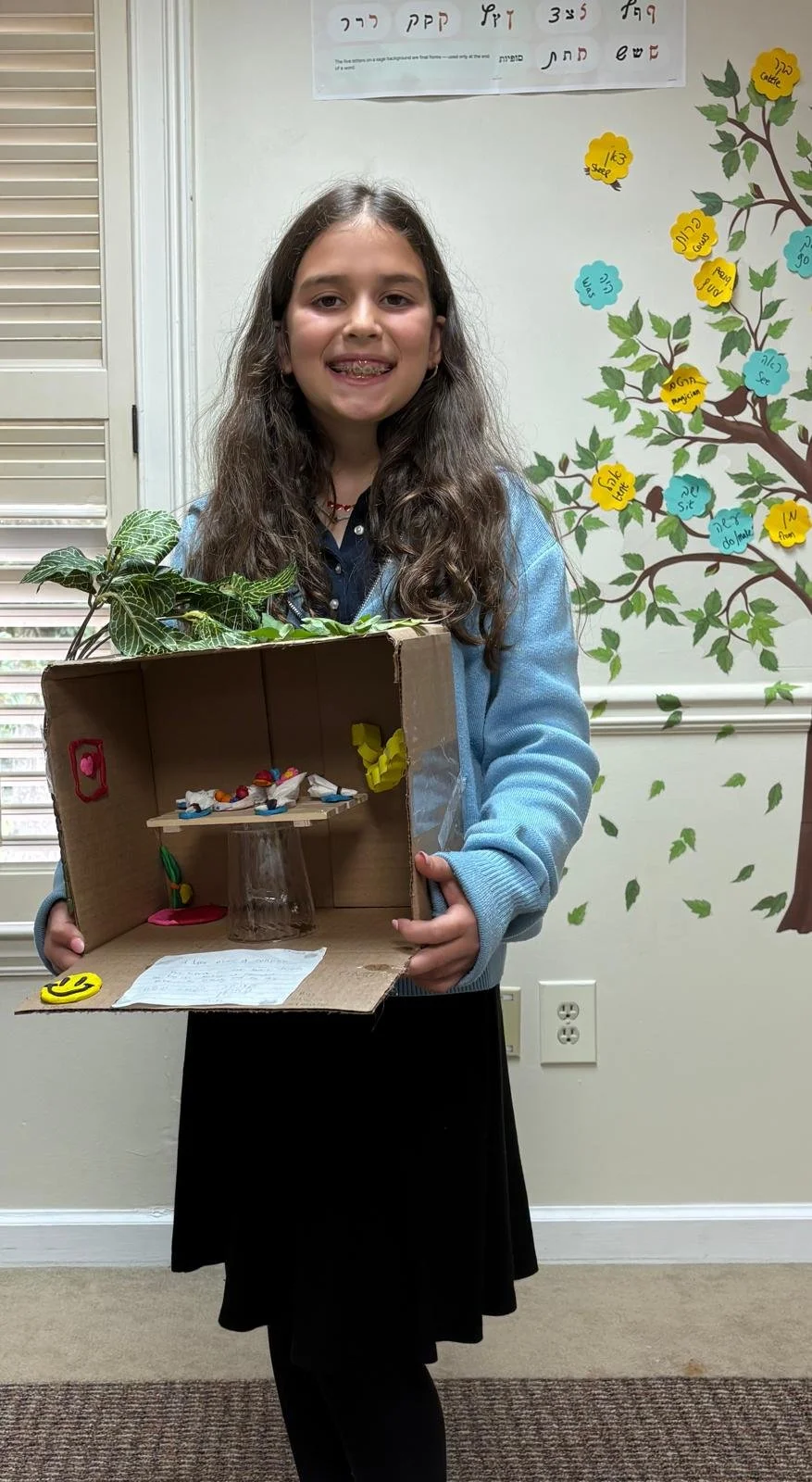
Our fifth-grade girls brought their Mishnah learning to life as they studied the laws of Sukkah and explored the many details that determine whether a sukkah is kosher. From a sukkah that is too tall, to one without enough walls, one built under a tree, inside a house, or even a double-decker sukkah, the girls studied a variety of scenarios listed in the Mishna.
For each case, they created a model sukkah, included the relevant phrase from the Mishnah describing the halachic criteria, and determined whether the sukkah was kosher or not. This creative, hands-on project gave the students an exciting way to deepen their understanding and apply what they were learning.
Thank you to Mrs. Nomi Freeman for making the Mishnah come alive in such a meaningful and memorable way!

Farm Day Fun
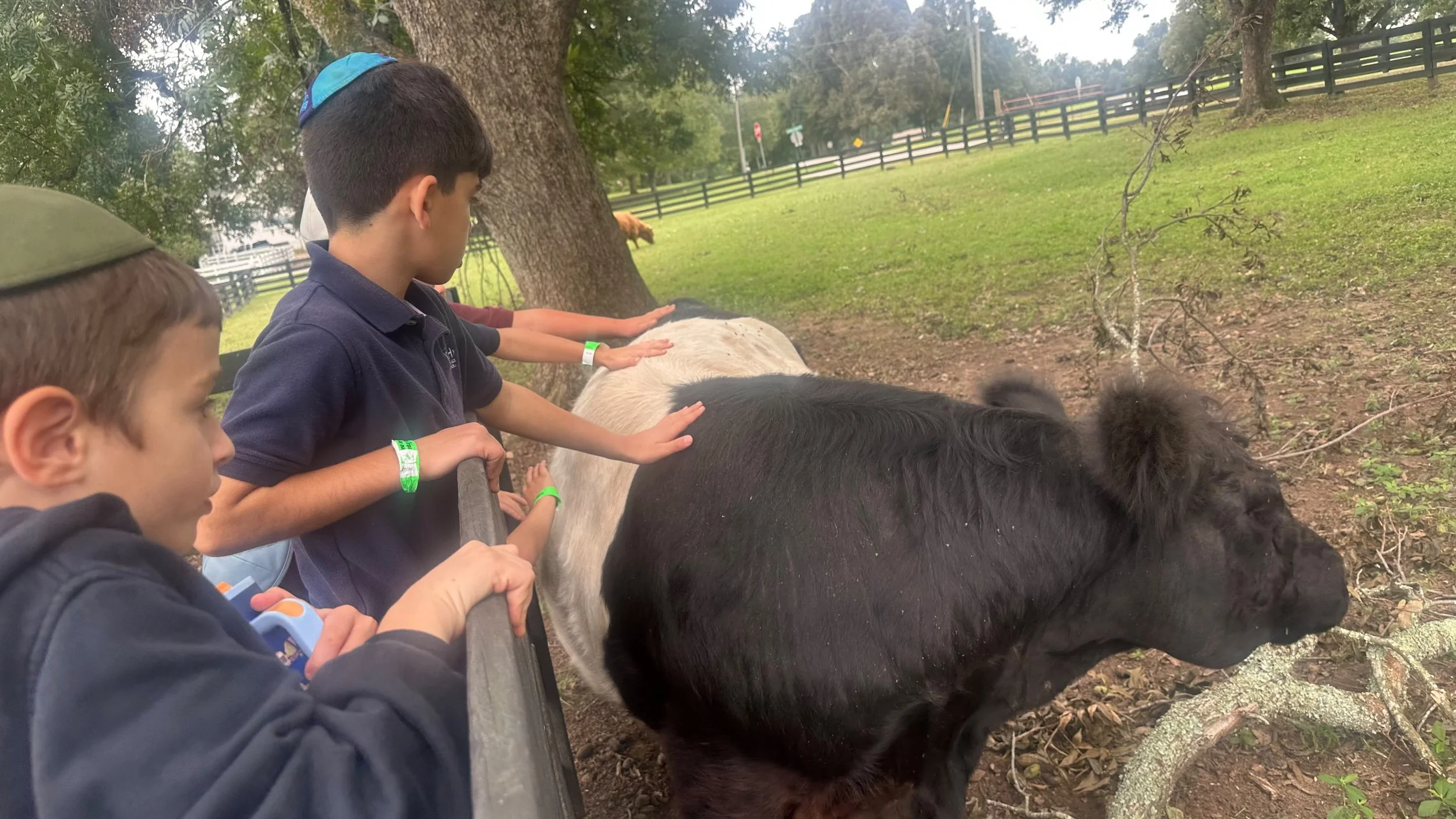
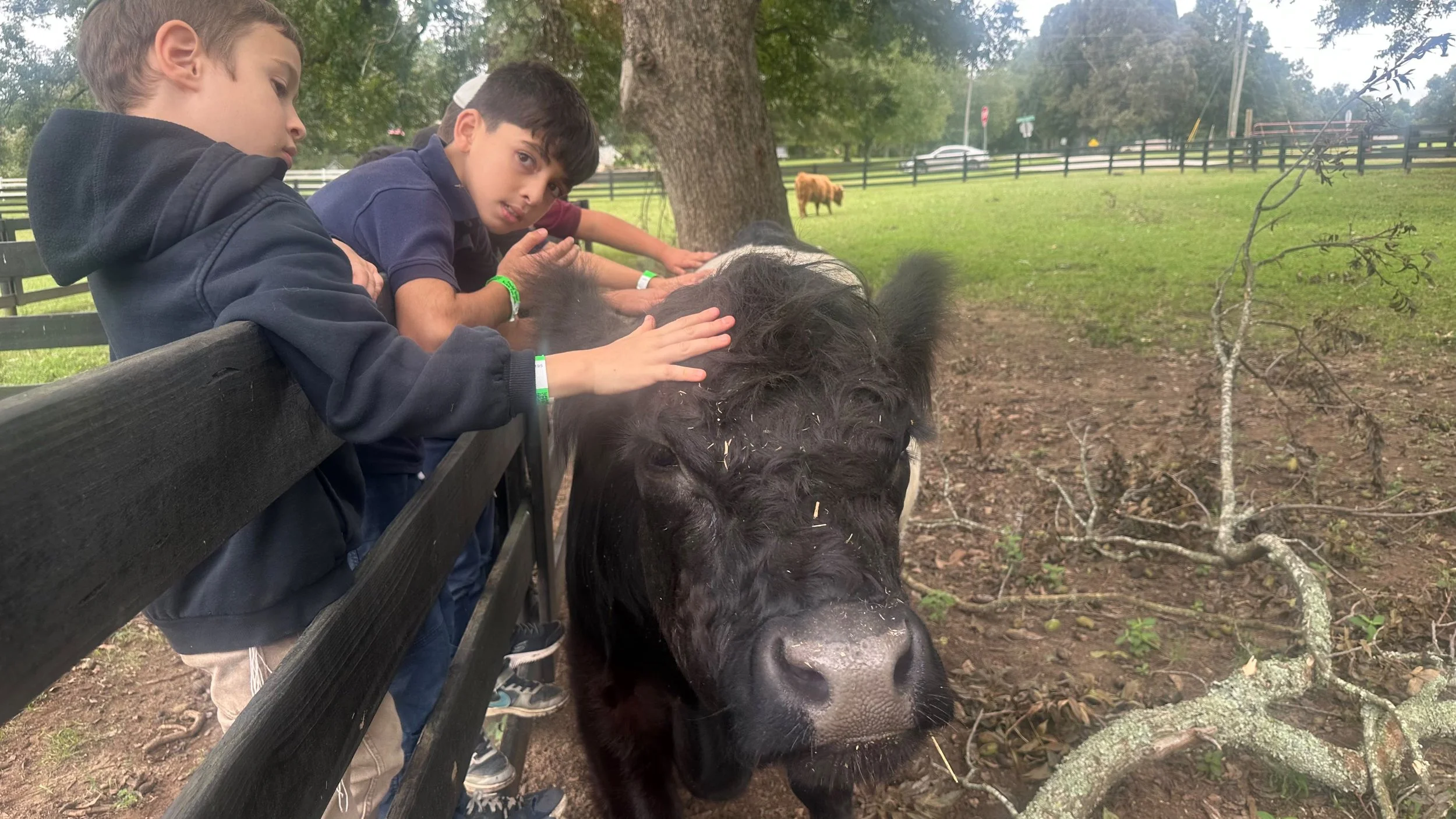
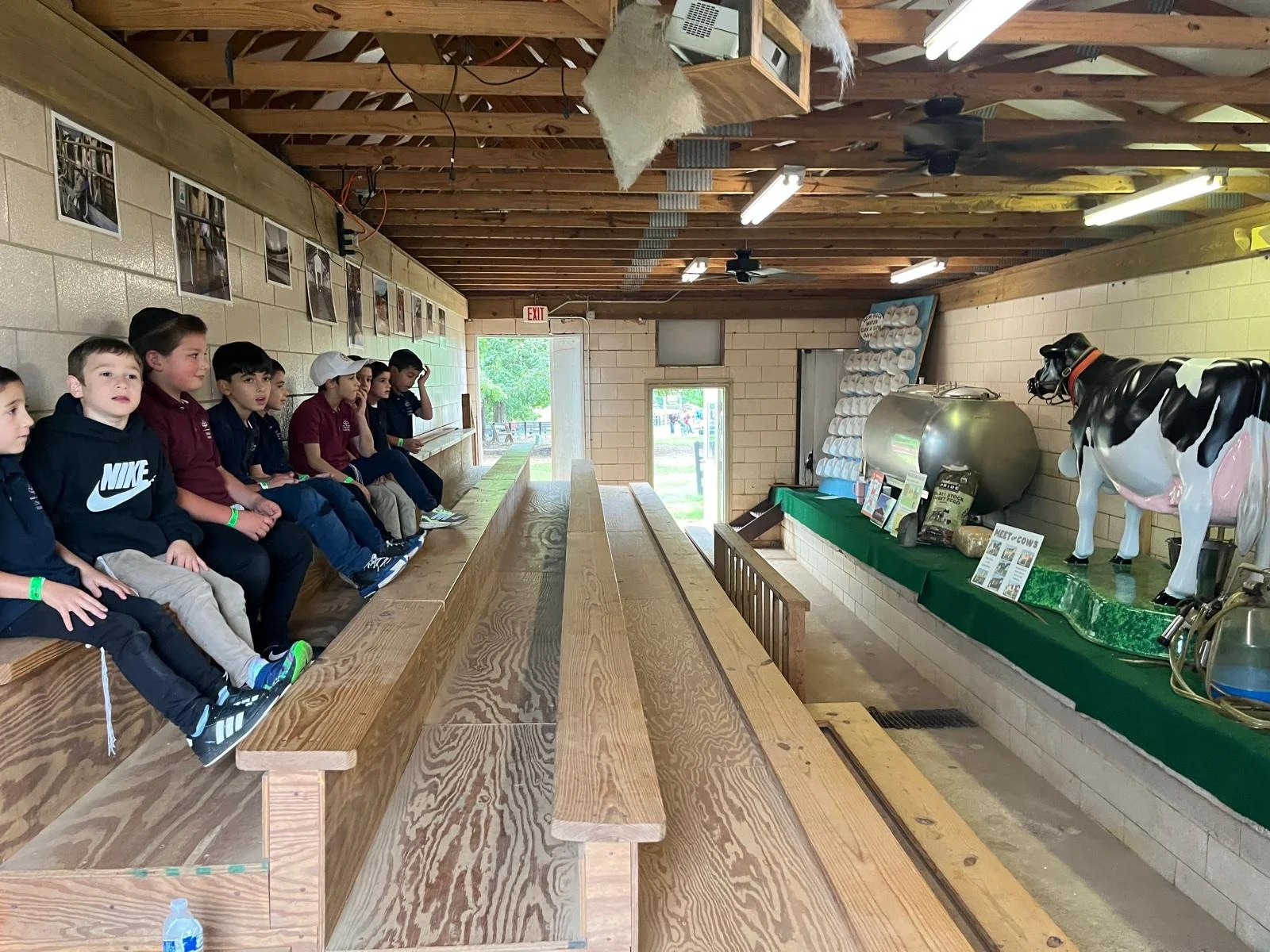
This week, our second-grade boys and girls headed to Southern Belle Farm for an unforgettable day of learning, adventure, and fun!
The students learned all about bees, met and observed farm animals, challenged themselves on a ropes course, raced in potato sacks, explored the corn maze, enjoyed a hayride, and experienced so many other fun farm activities. It was a fantastoc opportunity to learn outside the classroom while making great memories together.
The students had an amazing time from beginning to end! A big thank you to Ms. Simpson and Ms. Sofian for organizing and chaperoning such a special experience for our second graders!
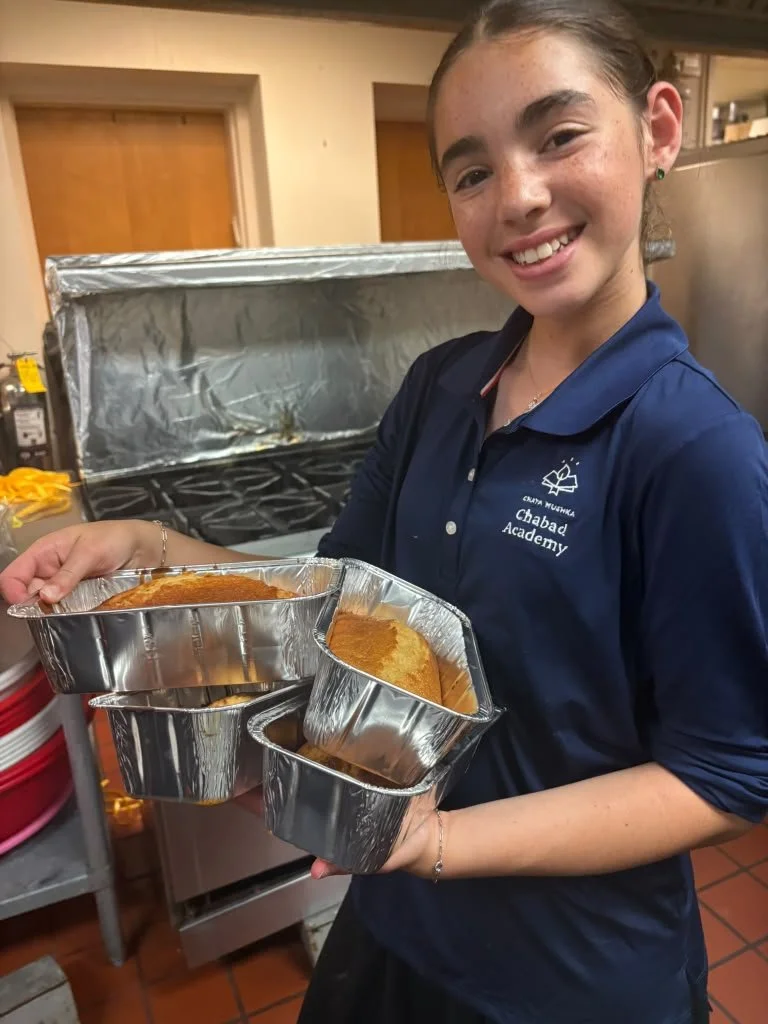
Sweet Success: 8th Grade Honey Cake Bake Sale
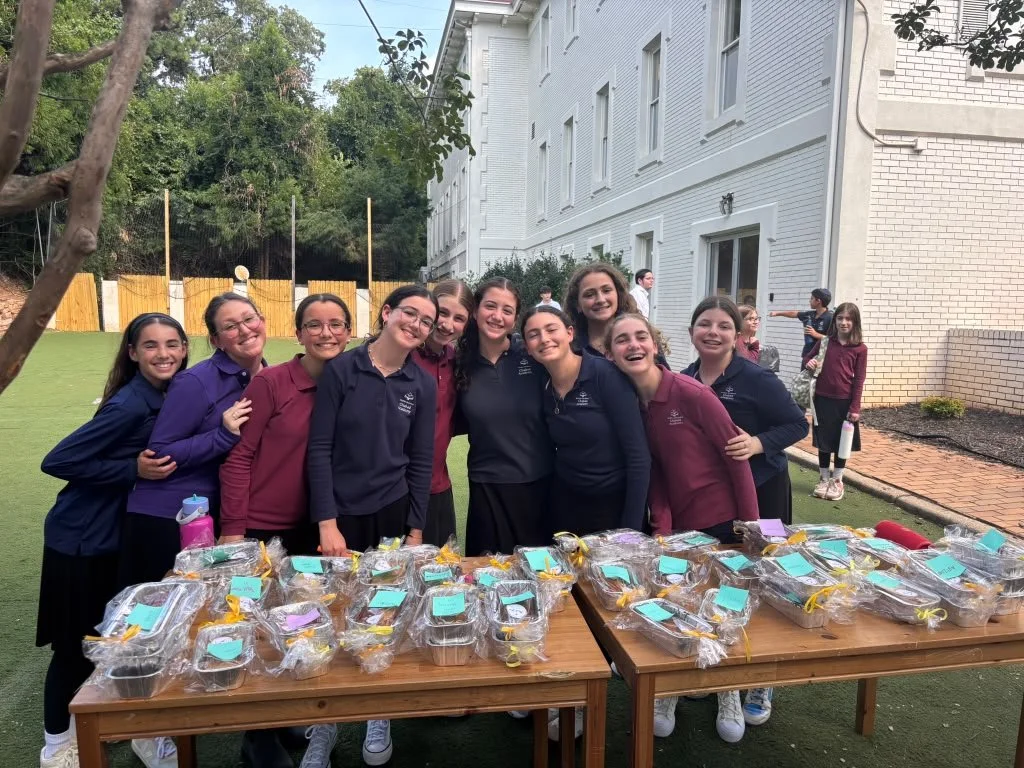
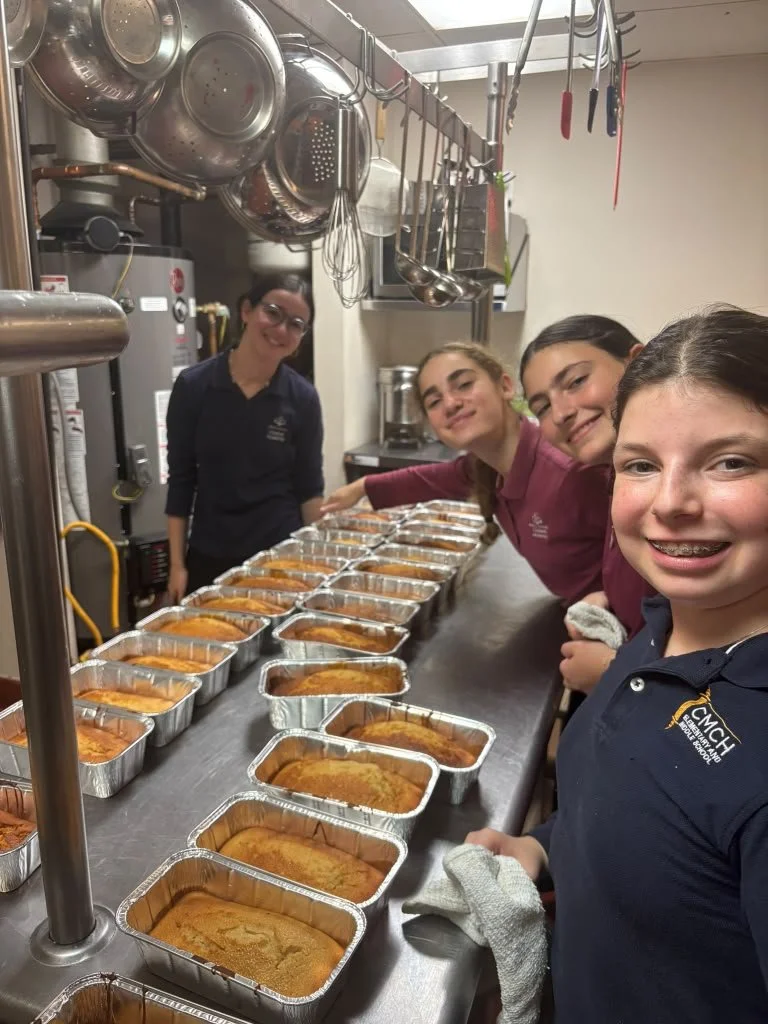
Our 8th grade girls recently ran a super successful honey cake bake sale to raise funds for their Student Council! From advertising and shopping to baking, packaging, and selling, the girls took ownership of every step, and the entire project came together beautifully.
A special thank you to our hardworking 8th graders, to Shluchos Laya and Devorah Leah for their support, and to everyone who purchased honey cakes and helped make the fundraiser such a success. Be on the lookout for more exciting student-led projects and fundraisers from our 8th grade girls this year!

September 25 through October 5 - Sukkos / Fall Beak
October 6 - School Resumes, Cocoa Club Resumes
October 8 - Coffee and conversation with EdVice consultants Stacy and Dana




Happy Birthday to our students with Elul birthdays:
Moshe Werbin - 3 Tishrei
Meir New - 4 Tishrei
Levi Lipskier - 7 Tishrei
Liam Dillon - 9 Tishrei
Shayna Charytan - 12 Tishrei
Benjamin Matatov - 17 Tishrei
Chaya Loebenstein - 17 Tishrei
Musia Wolff - 22 Tishrei
Elchonon New - 22 Tishrei
Elazar Edelson - 23 Tishrei
Yudit Piekarski - 23 Tishrei
Shayna Abraham - 25 Tishrei
Chaim Freeman - 29 Tishrei
Chana Mentz - 30 Tishrei
The Latest On Instagram!
FOLLOW ALONG @CMCHatlanta
